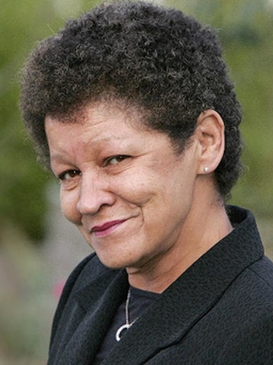
Christine Buckley & Dear Daughter: How One Film Led to the Ryan Report
In the annals of Irish television, few broadcasts have had as profound and transformative an impact as Louis Lentin's 1996 documentary, Dear Daughter. This singular film, charting the harrowing childhood experiences of Christine Buckley at Goldenbridge orphanage in Dublin, was far more than a television programme; it was a catalyst. It ripped open a wound in the national psyche, initiating a chain of events that would eventually culminate in the groundbreaking Commission to Inquire into Child Abuse – better known as the Ryan Report.
To understand the seismic shift caused by Dear Daughter, one must first grasp the depth of the silence and denial that had long shrouded the suffering within Ireland's residential institutions. Christine Buckley's courage in breaking that silence became a beacon for countless others, forcing a nation to confront uncomfortable truths about its past and its collective responsibility.
The Unveiling of a National Trauma: Christine Buckley's Courageous Story
Christine Buckley was a woman whose life story exemplified resilience in the face of unimaginable cruelty. Born in 1946 to an Irish mother and a Nigerian medical student, she was abandoned at just three weeks old at Goldenbridge orphanage. Her childhood within those walls, overseen by the Sisters of Mercy, was a harrowing litany of abuse and neglect. Buckley vividly recalled witnessing infants suffering from serious health issues like prolapsed rectums, enduring brutal physical punishments for minor infractions like bedwetting, and being repeatedly beaten – to the point of her leg being cut open – for daring to report the abuse she and others faced.
Her experience at Goldenbridge was not an isolated incident but a pervasive culture of fear and systemic mistreatment. It was a reality that many in Ireland knew or suspected but remained unspoken. After leaving Goldenbridge and qualifying as a nurse, Buckley dedicated years to finding her birth parents, successfully reuniting with them in the 1980s. However, her personal healing was intrinsically linked to a greater mission: bringing the truth of institutional abuse into the light. In 1992, she first went public with her story, setting the stage for Dear Daughter. For a deeper dive into her enduring fight, read about The Legacy of Dear Daughter: Christine Buckley's Fight for Justice.
Dear Daughter: A Spark Ignites a Firestorm
When Dear Daughter first aired on RTÉ 1 on February 22nd, 1996, it detonated a bomb in Irish society. The documentary’s raw honesty and Christine Buckley’s unflinching testimony provoked an "unprecedented furore." It was a moment of national reckoning, exposing the darkest corners of institutions that had long been seen as pillars of Irish society.
The immediate aftermath was a tempest of controversy, doubt, and disbelief from some quarters, particularly those with vested interests in maintaining the status quo. Producer Louis Lentin, deeply concerned by attempts to discredit the survivors and their stories, powerfully intervened. In an article published on April 5th, 1996, he wrote, "I feel the matter has now got totally out of focus, with so much doubt being generated." He passionately defended the victims, stating that the pain and suffering inflicted at Goldenbridge extended beyond Christine to "hundreds of other unfortunate children who were betrayed by their parents, betrayed by the State, betrayed by those in whose care they were placed."
Lentin issued a stark warning against "the usual Irish danger that events exposed by Dear Daughter may become a nine day wonder," highlighting how the "silencing strategy, perpetrated in the past to prevent abused children from being listened to, now appears to be repeating itself." His call to action was clear and prescient: he urged for a "Government appointed public inquiry be established immediately" and an "independent fund... with substantial contributions both from the State and the Sisters of Mercy to reimburse people for any counselling they have received and to pay for whatever treatment may be necessary in the future." This pivotal intervention was crucial in sustaining the momentum for change and preventing the story from being swept under the rug once more. You can learn more about the documentary's broader impact in RTE's Dear Daughter Documentary: Unveiling Ireland's Abuse Scandal.
From Documentary to Commission: The Path to the Ryan Report
The seeds planted by Dear Daughter continued to grow, nurtured by dedicated individuals like Christine Buckley and journalists committed to truth. The documentary served as a critical precursor to Mary Raftery's equally groundbreaking three-part RTÉ series, States of Fear, broadcast in 1999. Christine Buckley herself assisted with this series, which delved deeper into the systemic abuse within residential institutions across Ireland. The combined weight of these powerful journalistic endeavors made denial impossible.
Before States of Fear even concluded, the groundswell of public outrage and the undeniable evidence compelled the then Taoiseach, Bertie Ahern, to act. In a historic moment, he issued an apology on behalf of the Irish people to all who had suffered as children in these institutions. More significantly, he announced the establishment of a commission to investigate the treatment of children and a redress board to compensate survivors.
This commitment led to the formation of the Commission to Inquire into Child Abuse, chaired by Justice Seán Ryan. After years of painstaking investigation, gathering thousands of testimonies, and scrutinizing institutional records, the commission published its monumental report in May 2009. Known widely as the Ryan Report, it laid bare the systemic physical, emotional, and sexual abuse endured by tens of thousands of children in industrial schools, orphanages, and reformatories throughout the 20th century. It was a harrowing, damning indictment of a system that failed its most vulnerable citizens, profoundly altering Ireland's understanding of its recent past.
The Enduring Legacy and the Question: Dear Daughter Documentary Where To Watch
The impact of Dear Daughter and Christine Buckley's bravery cannot be overstated. It was the crack that allowed light to penetrate decades of institutional darkness, paving the way for official apologies, investigations, and attempts at redress. Christine Buckley continued to be a tireless advocate for survivors until her passing in 2014, a month's mind Mass for her being celebrated by the Archbishop of Dublin Diarmuid Martin in the Pro Cathedral. Her legacy, and that of the documentary, remains a potent reminder of the power of individual courage and the critical role of media in holding power to account.
For those seeking to understand this pivotal moment in Irish history, the question often arises: Dear Daughter Documentary Where To Watch? While the documentary has been re-broadcast by RTÉ on significant anniversaries or in memory of Christine Buckley, its availability for ongoing streaming can vary. Historically, RTÉ has occasionally made archival content available on the RTÉ Player for limited periods. As archival material of such national importance, it may also be accessible through university libraries or specialist media archives. Its significance ensures that it remains a subject of public interest and occasional re-showings.
Practical Steps Towards Healing and Remembering
The journey from the airing of Dear Daughter to the publication of the Ryan Report highlights several crucial lessons:
- The Power of Truth: Even the most deeply buried truths can be brought to light through the courage of survivors and committed journalism.
- The Importance of Listening: Society's willingness to listen, believe, and act upon the testimonies of victims is paramount for justice and healing.
- Accountability and Redress: True healing can only begin when those responsible are held accountable and meaningful redress is offered to survivors.
- Vigilance for the Future: The painful lessons learned from this era must inform ongoing efforts in child protection, ensuring such atrocities are never repeated.
For anyone affected by historical institutional abuse, whether directly or indirectly, seeking support is a vital step in the healing process. Many national and international organizations offer confidential counselling and support services. Engaging with these resources can provide a safe space for processing trauma and finding pathways to recovery.
The story of Christine Buckley and Dear Daughter is a testament to the fact that even in the face of profound injustice, the human spirit's capacity for resilience and the relentless pursuit of truth can ultimately lead to profound societal change and a more just future.