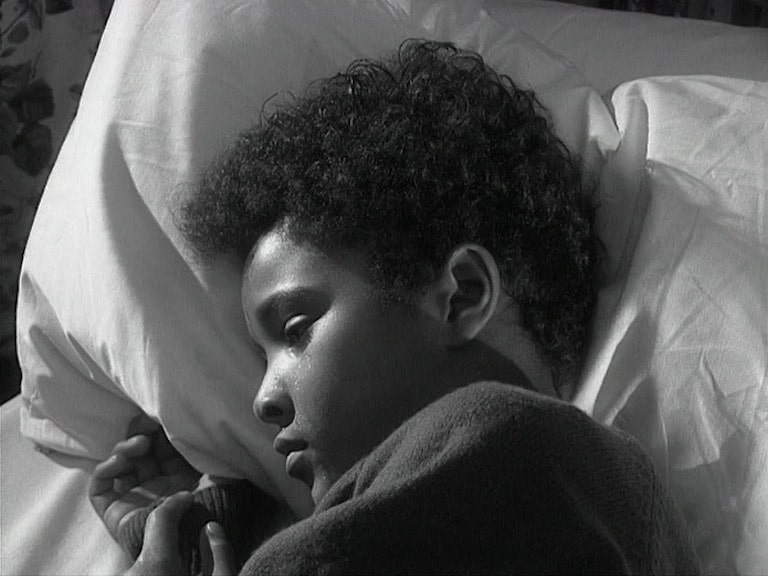
RTE's Dear Daughter Documentary: Unveiling Ireland's Abuse Scandal
The landscape of Irish society was irrevocably altered in 1996 with the broadcast of Louis Lentin's groundbreaking documentary,
Dear Daughter. More than just a television program, it was a seismic event that ripped open the wound of institutional child abuse, exposing a dark chapter in the nation's history. Focusing on the harrowing experiences of Christine Buckley and countless others at the notorious Goldenbridge orphanage in Dublin, the documentary did not just report on suffering; it ignited a national reckoning, forcing Ireland to confront deeply uncomfortable truths about the care of its most vulnerable. Its initial screening on RTÉ 1 on February 22nd, 1996, provoked a public uproar that would, over time, lead to profound legislative and societal change, forever changing how the State and its people viewed its past.
Christine Buckley's Courageous Journey: A Voice for the Voiceless
At the heart of the
Dear Daughter documentary lies the incredibly powerful and heartbreaking story of Christine Buckley. Born in Ireland in 1946 to an Irish mother and a Nigerian medical student, Christine was just three weeks old when she was left at Goldenbridge orphanage. Her childhood within its walls was a chronicle of unimaginable cruelty and neglect, a grim testament to the systemic failures of the time.
Christine recounted experiences that chilled the nation to its core: witnessing babies suffering from severe medical neglect, including their rectums falling out; enduring brutal and dehumanising punishments for bedwetting; and being repeatedly beaten by nuns, once so severely that her leg was cut open, simply for attempting to report the abuse she and others faced. These were not isolated incidents but part of a pervasive pattern of physical, emotional, and psychological torment that scarred hundreds of children entrusted to the institution's care.
Despite the profound trauma, Christine emerged with an indomitable spirit. After leaving Goldenbridge and qualifying as a nurse, she embarked on a personal quest to find her birth parents, successfully reuniting with her mother in 1985 and her father in 1988. It was in 1992 that Christine decided to go public with her story, a decision that directly paved the way for the creation of
Dear Daughter four years later. Her bravery did not stop there; she later assisted Mary Raftery with the equally groundbreaking three-part series,
States of Fear, in 1999, which further explored the abuse in Irish residential institutions. Christine Buckley's relentless pursuit of truth and justice continued until her death from cancer on March 11th, 2014, leaving behind a legacy that continues to inspire and challenge. To delve deeper into her profound impact, you can explore
The Legacy of Dear Daughter: Christine Buckley's Fight for Justice.
The Shockwave: How One Documentary Unveiled a National Trauma
The initial broadcast of
Dear Daughter was nothing short of revolutionary. It shattered decades of silence and denial surrounding the treatment of children in Ireland's industrial schools and orphanages. The public outcry was immediate and intense, creating what was described as an "unprecedented furore." However, as often happens when uncomfortable truths emerge, there was also significant pushback and an attempt to discredit the accounts of the victims.
Producer Louis Lentin, foreseeing "the usual Irish danger that events exposed by *Dear Daughter* may become a nine day wonder," actively entered the public debate to defend the veracity of the documentary. In an article published on April 5th, 1996, he passionately argued against the emerging doubt, stating, "I feel the matter has now got totally out of focus, with so much doubt being generated." He powerfully articulated the betrayal suffered by the children of Goldenbridge: "betrayed by their parents, betrayed by the State, betrayed by those in whose care they were placed." Lentin warned that "these people are now being betrayed once again by a seeming inability or unwillingness to believe and accept that these things happened."
Lentin's profound insight into the "silencing strategy, perpetrated in the past to prevent abused children from being listened to," proved prescient. He passionately called for an immediate, government-appointed public inquiry to take evidence and report on the full extent of past events in orphanages. Furthermore, he urged the establishment of an independent fund, substantially contributed to by both the State and the Sisters of Mercy, to cover counselling and necessary future treatment for survivors. His concluding statement, "Only if this is done and the present damaging denials cease, will the healing process be allowed to begin," laid bare the path Ireland needed to take. The documentary wasn't just exposing abuse; it was demanding accountability and setting the stage for national repentance.
From Outcry to Action: Ireland Confronts Its Past
The groundswell of public emotion and journalistic pressure generated by
Dear Daughter proved impossible to ignore. It created an irreversible momentum that compelled the Irish State to finally address its complicity in the systematic abuse of children.
The documentary's initial broadcast in 1996 was followed three years later by the crucial *States of Fear* series. Before this subsequent series even concluded, then-Taoiseach Bertie Ahern delivered a historic apology on behalf of the Irish people to all who had suffered in these institutions. This unprecedented act of national contrition was accompanied by a firm commitment: the establishment of a commission to investigate the treatment of children in residential institutions and a redress board to compensate the victims.
In 2000, the Commission to Inquire into Child Abuse was formally set up, embarking on a monumental task of investigating decades of systematic abuse. Its comprehensive findings were ultimately published in May 2009 in what became known as the Ryan Report, chaired by Justice Seán Ryan. The Ryan Report confirmed the pervasive nature of physical, emotional, and sexual abuse within a vast network of institutions, exposing a horrifying truth that had been hidden for too long. While the report marked a critical step in acknowledging the past, the subsequent process of redress and healing has been long and complex. To understand the direct chain of events and the profound impact of this film on national policy, read more at
Christine Buckley & Dear Daughter: How One Film Led to the Ryan Report.
Dear Daughter Documentary Where To Watch: Accessing This Vital History
Given its monumental historical and societal significance, many people today are eager to find out **Dear Daughter Documentary where to watch**. While its initial broadcast on RTÉ 1 in 1996 was a defining moment, tracking down such a historically important film in the current streaming landscape can sometimes be a challenge.
For audiences within Ireland, the best first port of call would typically be the **RTÉ Player**. As the national broadcaster, RTÉ often makes seminal documentaries from its archives available on its on-demand service. However, licensing and rights can sometimes mean older content is rotated. If it's not immediately available on the main RTÉ Player, it's worth checking if specific historical or documentary collections on the platform might feature it.
Beyond RTÉ's own platforms, finding *Dear Daughter* can require a bit more searching. Given its critical role in Irish history, it is frequently referenced in academic studies, historical documentaries, and news archives. Libraries, particularly university libraries with strong Irish studies collections, might have copies for educational or research purposes. Occasionally, documentary platforms or streaming services that specialise in historical or investigative journalism might feature it, though this is less common for older, regionally specific productions.
Unfortunately, there isn't always a single, universal streaming platform for every significant historical documentary. Persistent checking of RTÉ's official channels remains the most reliable method for those wondering **Dear Daughter Documentary where to watch**. Its profound impact ensures it remains a subject of public interest, and opportunities to view it may arise through special broadcasts or retrospective programming.
The Enduring Legacy and Lessons Learned
The
Dear Daughter documentary remains a powerful and essential piece of Irish history, a stark reminder of the devastating consequences of unchecked power and institutional failure. It stands as a monument to the courage of Christine Buckley and the journalistic integrity of Louis Lentin, who dared to bring uncomfortable truths to light.
The legacy of
Dear Daughter extends far beyond its initial broadcast. It fundamentally reshaped how Ireland views its past, forcing a national reckoning with the abuse that occurred in its care institutions. It paved the way for legal reforms, compensation for survivors, and a deeper understanding of the importance of child protection. More importantly, it underscored the enduring power of survivor testimony and the critical role of media in holding power accountable. The lessons learned from this painful chapter – the danger of silence, the importance of belief, and the necessity of independent oversight – continue to resonate, urging vigilance and empathy to ensure such systemic betrayals are never repeated.
In conclusion,
Dear Daughter was not merely a documentary; it was a catalyst for change, a mirror held up to a nation, and a testament to the resilience of those who suffered. Christine Buckley's voice, amplified by Louis Lentin's work, echoes through time, ensuring that the stories of the forgotten children of Ireland are finally heard, believed, and remembered.